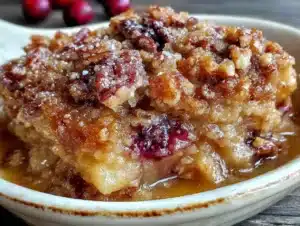
The pan came back to the kitchen with nothing but a spatula print in the corner. My sister-in-law, who never asks for seconds of anything, was scraping the edges with the side of her fork. That’s when I knew this overnight sausage and egg breakfast casserole was more than just another holiday experiment.
It started as a desperate move, honestly. I had a house full of people coming for Christmas brunch and zero desire to stand over a stove flipping pancakes while everyone else sipped coffee and laughed in the living room. I needed something I could throw together the night before, forget about, and pull out of the oven looking like I’d been working all morning. This easy overnight sausage and egg breakfast casserole was born from that very specific kind of laziness — the kind that looks suspiciously like effort.
The first time I made it, I used whatever cheese was lurking in the back of the fridge and some breakfast sausage I’d grabbed on sale. I figured it would be fine, you know? Edible at least. But when I pulled it out of the oven, golden and puffed and smelling like every diner breakfast I’d ever loved, I actually let out a little laugh. It looked too good for how little I’d done. The eggs were creamy, the bread had soaked up all that savory goodness, and the cheese had melted into these little crispy pockets on top. My brother, who usually picks at breakfast, went back for thirds.
This isn’t a fussy recipe. It’s the kind you make when you want to feed people without hovering over them. The kind that lets you sleep in while still serving something that feels special. I’ve made it for Easter brunch, for lazy Saturday mornings when the kids have friends over, and for those mornings after Thanksgiving when everyone’s still in pajamas at noon. It works every single time, and it never makes me feel like I’m serving a compromise.
Why You’ll Love This Recipe
Let me tell you why this casserole has become my go-to for every brunch situation. It’s not just good — it’s the kind of good that makes people ask for the recipe before they’ve even finished eating.
- Make-Ahead Magic: Assemble it the night before, pop it in the fridge, and bake it in the morning. That’s it. No early alarm required.
- Simple Pantry Ingredients: You probably already have most of what you need. Eggs, bread, milk, cheese, and sausage — that’s the heart of it.
- Perfect for Crowds: This recipe scales beautifully. Need to feed 12? Double it. Need to feed 4? Halve it. It’s flexible like that.
- Crowd-Pleaser Approved: I’ve served this to picky toddlers, diet-conscious friends, and uncles who claim they don’t like casseroles. Empty pan every time.
- Endlessly Customizable: Swap the sausage for bacon, add veggies, change the cheese — it’s hard to mess up because the base is so forgiving.
What sets this apart from other breakfast casseroles is the texture. The bread soaks up just enough of the egg mixture overnight to become custard-like in the center, while the edges get beautifully golden and slightly crisp. It’s not soggy, and it’s not dry. It’s that perfect middle ground that makes you wonder why you ever bothered with individual omelets.
This recipe is for those mornings when you want to feel like you’ve got it together without actually having to do much. It’s for the host who wants to enjoy their own party. It’s comfort food that does the work for you.
What Ingredients You Will Need
This easy overnight sausage and egg breakfast casserole uses simple, wholesome ingredients that come together to create something genuinely satisfying. Most of these are pantry staples, which makes this recipe perfect for those mornings when you didn’t plan ahead but want to look like you did.
For the Casserole Base:
- 1 lb breakfast sausage — I prefer Jimmy Dean’s mild or spicy depending on my mood. (For a lighter option, turkey sausage works great too.)
- 8 large eggs — Room temperature if you remember, but straight from the fridge works fine since it sits overnight.
- 2 cups whole milk — Whole milk gives the creamiest texture, but 2% works in a pinch. (Avoid skim — it gets a little watery.)
- 6 cups cubed day-old bread — French bread, sourdough, or even a sturdy Italian loaf. Fresh bread works too, just dry it out on the counter for an hour.
- 2 cups shredded sharp cheddar cheese — I like to shred my own because it melts better than pre-shredded. (Pre-shredded has anti-caking agents that affect texture.)
- 1 cup shredded mozzarella cheese — Adds that lovely stretchy quality. (You can use all cheddar if that’s what you have.)
- 1/2 cup chopped yellow onion — Adds savory depth without being overpowering.
- 1/4 cup chopped green bell pepper — Optional, but I love the little pops of color and flavor.
- 1 teaspoon salt — I use fine sea salt.
- 1/2 teaspoon black pepper — Freshly ground if you have it.
- 1/2 teaspoon garlic powder — Not traditional, but trust me on this one.
- 1/4 teaspoon smoked paprika — Adds a subtle warmth that complements the sausage beautifully.
For the Topping (Optional but Highly Recommended):
- 1/2 cup shredded cheddar cheese — For that melty, golden crust on top.
- 2 tablespoons chopped fresh parsley — Mostly for looks, but the freshness cuts through the richness.
A quick note on ingredient selection — look for breakfast sausage that’s not too lean. The fat renders during baking and keeps the casserole moist. If you’re using a leaner sausage, you might want to add a tablespoon of butter to the egg mixture. I learned that one the hard way after a particularly dry batch.
For the bread, day-old is genuinely better. It soaks up the egg mixture without turning into complete mush. If you only have fresh bread, cube it and spread it on a baking sheet in a 300°F oven for about 10 minutes. That dries it out just enough.
Equipment Needed
You don’t need much for this recipe, which is part of its charm. Here’s what you’ll need:
- 9×13-inch baking dish — Glass or ceramic works best. I use a Pyrex dish that’s seen better days but still bakes evenly. Metal works too, just keep an eye on the edges so they don’t over-brown.
- Large skillet — For browning the sausage and sautéing the vegetables. Any non-stick or cast iron will do.
- Large mixing bowl — For whisking the eggs and milk together. I use the same bowl I use for everything else in my kitchen.
- Whisk — A fork works in a pinch, but a whisk gets the eggs properly incorporated.
- Spatula — For breaking up the sausage as it cooks.
- Cutting board and knife — For chopping the onion and bell pepper.
- Measuring cups and spoons — Because eyeballing it only works some of the time.
- Aluminum foil — For covering the casserole during the first part of baking so the top doesn’t burn.
If you don’t have a 9×13 dish, you can use two 8×8 dishes or even a large cast iron skillet. Just adjust the baking time slightly — smaller dishes will need a few more minutes, and a skillet might need a few less. I’ve made this in a disposable aluminum pan for potlucks before, and it worked perfectly.
One thing I’ve learned — spray your dish generously with non-stick spray, even if it’s non-stick. This casserole has a tendency to cling to the edges, and nobody wants to scrape breakfast off the pan.
Preparation Method

This is the part where everything comes together. The beauty of this recipe is that you do all the work the night before and let the fridge do the rest. Here’s how it goes:
- Cook the sausage. Heat your large skillet over medium-high heat. Add the breakfast sausage and break it up with your spatula as it cooks. You want it nicely browned, not just gray — that browning adds flavor. This takes about 6-8 minutes. Once it’s cooked through, use a slotted spoon to transfer it to a plate lined with paper towels. Let it drain and cool while you prep everything else.
- Sauté the vegetables. In the same skillet (don’t wipe it out — those browned bits are flavor), add the chopped onion and bell pepper. Cook over medium heat for about 3-4 minutes until they’ve softened and the onion is translucent. If the pan looks dry, add a tiny splash of oil. You want them soft, not browned. Set them aside to cool slightly.
- Prepare the bread. While the sausage and veggies are cooling, cube your bread into 1-inch pieces. If you’re using fresh bread, spread the cubes on a baking sheet and toast them at 300°F for 8-10 minutes. If you’re using day-old bread, you can skip this step. The goal is bread that’s dry enough to soak up the egg mixture without turning into paste.
- Whisk the egg mixture. In your large mixing bowl, crack all 8 eggs. Add the 2 cups of milk, salt, pepper, garlic powder, and smoked paprika. Whisk vigorously until everything is well combined and slightly frothy. This should take about a minute. You want the eggs fully incorporated — no streaks of white running through.
- Layer the casserole. Spray your 9×13 baking dish generously with non-stick spray. Spread half of the bread cubes evenly across the bottom. Sprinkle half of the cooked sausage over the bread. Sprinkle half of the sautéed vegetables over that. Top with half of the shredded cheddar and mozzarella. Repeat the layers — remaining bread, remaining sausage, remaining vegetables, and the rest of the cheese.
- Pour the egg mixture. Slowly pour the whisked egg and milk mixture evenly over the entire casserole. Don’t dump it all in one spot — you want it to distribute evenly. Use a fork or spatula to gently press down on the top layer, helping the bread absorb the liquid. Every piece of bread should look moistened.
- Cover and refrigerate. Cover the dish tightly with plastic wrap or aluminum foil. Place it in the refrigerator for at least 6 hours, but overnight is ideal (8-12 hours). This is where the magic happens — the bread absorbs the custard, the flavors meld together, and the whole thing becomes cohesive.
- Bake the next morning. When you’re ready to bake, preheat your oven to 350°F. Remove the casserole from the fridge and let it sit on the counter while the oven heats up — about 15-20 minutes. This takes the chill off and helps it bake more evenly. Remove the plastic wrap (if you used it) and cover with foil. Bake for 35 minutes covered, then remove the foil and bake for another 15-20 minutes until the top is golden brown and the center is set. You’ll know it’s done when a knife inserted in the center comes out clean and the edges are bubbling.
- Rest before serving. Let the casserole rest for 5-10 minutes after it comes out of the oven. This allows the custard to set properly so you get clean slices instead of a messy scoop. Sprinkle with fresh parsley if you’re using it, and serve warm.
A few things I’ve learned through trial and error — if the top is browning too quickly but the center isn’t set yet, tent it with foil for the last 10 minutes. Also, don’t skip the resting time. I know it’s hard when everyone’s hungry and the kitchen smells amazing, but that rest makes a real difference in texture.
Cooking Tips & Techniques
After making this easy overnight sausage and egg breakfast casserole more times than I can count, I’ve picked up a few tricks that make the difference between good and great.
Don’t over-soak the bread. I know I said overnight is ideal, but there is such a thing as too long. If you leave it in the fridge for more than 24 hours, the bread can break down too much and the texture gets mushy. The sweet spot is 8-12 hours. If you’re in a rush, 4 hours will still work — just give it a gentle stir halfway through so the bread absorbs evenly.
Brown the sausage properly. This is the one step I refuse to rush. Undercooked, pale sausage leads to a bland casserole. You want deep golden-brown bits that add flavor to every bite. Don’t crowd the pan — if you’re doubling the recipe, cook the sausage in batches. Crowding creates steam, and steam prevents browning.
Watch your oven temperature. Ovens run differently, and I’ve burned the edges of this casserole more than once because I trusted the recipe timing blindly. Check it at the 30-minute mark. If the edges are already dark, reduce the temperature to 325°F for the remaining time. If the center is still jiggly at the 45-minute mark, give it another 10 minutes covered.
Use a water bath for extra creaminess. This is a trick I picked up from making cheesecakes, and it works here too. Place your baking dish inside a larger pan and pour hot water into the outer pan until it comes about halfway up the sides of the casserole dish. This creates a humid environment that prevents the edges from overcooking before the center sets. It’s an extra step, but if you want the creamiest texture possible, it’s worth it.
Let it rest, seriously. I mentioned this in the method, but it bears repeating. Cutting into this casserole too early is like opening the oven door on a soufflé — it deflates and gets watery. The custard needs those few minutes to firm up. Use that time to make toast, pour coffee, or set the table.
One failure I’ll never forget — I once tried to speed things up by baking it without the overnight rest. It was a disaster. The bread was still hard in places, the eggs hadn’t fully incorporated, and the texture was uneven. The overnight soak isn’t optional. It’s the whole point of the recipe.
Variations & Adaptations
This recipe is incredibly forgiving, which makes it perfect for experimenting. Here are some variations I’ve tried and loved:
Bacon and Spinach Version: Swap the sausage for 12 strips of crispy bacon, crumbled. Add 2 cups of fresh spinach (sautéed until wilted) in place of the bell pepper. Use Gruyere or Swiss cheese instead of cheddar. The bacon adds a smoky saltiness that pairs beautifully with the spinach.
Vegetarian Option: Skip the meat entirely and add 2 cups of sautéed mushrooms, 1 cup of roasted red peppers, and 1 cup of caramelized onions. Use a mix of fontina and parmesan for a richer flavor. You can also add a can of drained and rinsed black beans for protein. I’ve made this for vegetarian friends and they always ask for the recipe.
Southwest Twist: Use spicy breakfast sausage, add a can of drained diced green chiles, swap the cheddar for pepper jack, and top with fresh cilantro and sliced avocado after baking. Serve with salsa and sour cream on the side. This version is perfect for game day brunches or casual gatherings.
Low-Carb Adaptation: Replace the bread with 4 cups of frozen hash browns (thawed and squeezed dry) or 3 cups of cauliflower rice (roasted first to remove moisture). The texture is different — denser and more potato-like — but it’s still delicious. Reduce the milk to 1 1/2 cups since the vegetables won’t absorb as much liquid.
Dairy-Free Version: Use unsweetened almond milk or oat milk instead of whole milk. Skip the cheese or use a dairy-free alternative. The texture will be slightly less creamy, but it’s still a solid breakfast option. I’ve used Violife’s cheddar shreds with good results.
My personal favorite variation is the Southwest one. I stumbled on it by accident when I had leftover green chiles from another recipe and decided to throw them in. The spicy, cheesy, slightly smoky combination is addictive. If you like a little heat, this is the way to go.
Serving & Storage Suggestions
This casserole is at its best warm, straight from the oven, but it’s also surprisingly good at room temperature. Here’s how to handle both serving and leftovers:
Serving Temperature and Presentation: Serve the casserole warm, ideally within 10-15 minutes of coming out of the oven. Cut it into squares or rectangles — I find 12 pieces works well for a 9×13 dish. Use a sharp knife and wipe it clean between cuts for the neatest slices. Garnish with fresh parsley, chives, or a sprinkle of paprika for color. A dollop of sour cream or a drizzle of hot sauce on the side is never a bad idea.
Complementary Dishes: This casserole pairs beautifully with fresh fruit, a simple green salad, or roasted potatoes. For brunch spreads, I like to serve it alongside easy freezer-friendly whole wheat blueberry pancake muffins for a sweet-savory contrast. A pitcher of mimosas or a carafe of fresh orange juice rounds things out nicely. If you’re serving it for a holiday brunch, a side of cozy pumpkin cinnamon rolls with easy maple cream cheese frosting makes the meal feel extra special.
Storage Instructions: Leftovers keep well in the refrigerator for up to 4 days. Store them in an airtight container or cover the baking dish tightly with foil. The casserole will absorb some moisture as it sits, so the texture will be slightly softer the next day — still delicious, just different.
Reheating Methods: For individual portions, the microwave works fine — about 45-60 seconds on high. For larger portions, reheat in a 350°F oven for 10-15 minutes, covered with foil to prevent drying out. You can also reheat slices in a non-stick skillet over medium-low heat for about 3-4 minutes per side for a slightly crispy exterior.
Freezing Instructions: This casserole freezes beautifully. Bake it completely, let it cool, then wrap it tightly in plastic wrap and foil. Freeze for up to 3 months. To reheat, thaw overnight in the refrigerator and bake at 350°F for 20-25 minutes, covered. You can also freeze it unbaked — just assemble it in a freezer-safe dish, wrap it well, and bake directly from frozen (add about 20 minutes to the baking time).
One thing I’ve noticed — the flavors actually deepen after a day in the fridge. Leftovers often taste even better than the first serving. The spices meld, the cheese sets, and everything becomes more cohesive. It’s one of those rare dishes that improves with time.
Nutritional Information & Benefits
Here’s an approximate nutritional breakdown for one serving (based on 12 servings per recipe):
| Nutrient | Amount Per Serving |
|---|---|
| Calories | 385 |
| Protein | 22g |
| Fat | 24g |
| Saturated Fat | 10g |
| Carbohydrates | 20g |
| Fiber | 1g |
| Sugar | 4g |
| Sodium | 780mg |
This casserole is a solid source of protein thanks to the eggs and sausage, which helps keep you full and satisfied through the morning. The calcium from the milk and cheese supports bone health, and the eggs provide choline, which is important for brain function. If you use whole wheat bread, you’ll get a bit more fiber.
For those watching their sodium, you can reduce the salt in the egg mixture and use low-sodium sausage. The cheese already adds plenty of saltiness, so you might not miss it. If you’re looking for a lower-calorie option, swap the whole milk for 2% and use turkey sausage — that brings each serving down to about 300 calories.
This recipe contains gluten (from the bread), dairy (from the milk and cheese), and eggs. For allergen-friendly versions, check the variations section above. I’ve made this for friends with various dietary restrictions, and with a few tweaks, it works for most situations.
My personal take — this isn’t a health food, and it’s not trying to be. It’s a hearty, satisfying breakfast that fuels you for a busy morning. Balance it with lighter meals the rest of the day, and you’re good.
Conclusion
This easy overnight sausage and egg breakfast casserole has become my secret weapon for hosting without stress. It’s the recipe I turn to when I want to feed people well without spending my morning in the kitchen. It’s forgiving enough for beginners and reliable enough for experienced cooks who just want a break.
What I love most about it is how it lets me be present. Instead of hovering over a stove, I’m sitting at the table with coffee, laughing with whoever showed up. The casserole does its thing in the oven while I do mine — enjoying the people around me. That’s the kind of cooking I want more of.
I encourage you to make this your own. Swap in your favorite cheese, add whatever vegetables are in your fridge, play with the spice level. The base is solid, but the possibilities are endless. And when someone asks you for the recipe (they will), you get to smile and say, “Oh, it’s nothing. I just threw it together.”
If you make this casserole, I’d love to hear about it. Drop a comment below and tell me how it turned out — what variations you tried, who you served it to, whether anyone went back for seconds. And if you’re looking for more make-ahead breakfast ideas, check out creamy pumpkin overnight oats with maple tahini and candied pecans for a sweet option that’s just as easy. Happy cooking, friends!
Frequently Asked Questions
Can I use a different type of bread?
Absolutely. French bread, sourdough, brioche, challah, or even whole wheat sandwich bread all work. The key is using bread that’s sturdy enough to hold up to the egg mixture. Avoid very soft bread like white sandwich bread unless you want a more pudding-like texture.
Do I have to let it sit overnight?
For the best texture, yes. The overnight rest allows the bread to fully absorb the egg mixture, creating that custard-like center. However, if you’re short on time, you can let it sit for as little as 2-3 hours. The texture won’t be as consistent, but it will still be good.
Can I make this gluten-free?
Yes! Use gluten-free bread in place of regular bread. I’ve had good results with Schar’s gluten-free artisan bread. Just make sure to dry it out slightly before assembling, as gluten-free bread can be more fragile. Also check that your sausage and any other add-ins are certified gluten-free.
How do I prevent the casserole from being watery?
Watery casserole usually comes from one of two things — using too much milk or not cooking the sausage and vegetables long enough. Make sure you’re using exactly 2 cups of milk and that your sausage is fully browned. Also, if you’re adding vegetables like mushrooms or zucchini, sauté them first to release their moisture.
Can I add more eggs for extra protein?
You can add up to 12 eggs without changing the recipe too much, but you’ll need to increase the milk slightly — about 1/4 cup per extra egg. Keep in mind that more eggs will make the casserole denser and slightly more custard-like. It’s delicious, just different.
Pin This Recipe!

Easy Overnight Sausage and Egg Breakfast Casserole

This easy overnight sausage and egg breakfast casserole is a make-ahead brunch hero that lets you sleep in while serving something special. With creamy eggs, savory sausage, and melted cheese, it’s a crowd-pleaser that comes together in minutes the night before.
- Prep Time: 20 minutes
- Cook Time: 50 minutes
- Total Time: 8 hours 10 minutes (includes overnight refrigeration)
- Yield: 12 servings 1x
- Category: Breakfast / Brunch
- Cuisine: American
Ingredients
- 1 lb breakfast sausage
- 8 large eggs
- 2 cups whole milk
- 6 cups cubed day-old bread (French, sourdough, or sturdy Italian loaf)
- 2 cups shredded sharp cheddar cheese
- 1 cup shredded mozzarella cheese
- 1/2 cup chopped yellow onion
- 1/4 cup chopped green bell pepper (optional)
- 1 teaspoon fine sea salt
- 1/2 teaspoon freshly ground black pepper
- 1/2 teaspoon garlic powder
- 1/4 teaspoon smoked paprika
- 1/2 cup shredded cheddar cheese (for topping, optional)
- 2 tablespoons chopped fresh parsley (for garnish, optional)
Instructions
- Cook the sausage: Heat a large skillet over medium-high heat. Add the breakfast sausage and break it up with a spatula as it cooks until nicely browned, about 6-8 minutes. Transfer to a plate lined with paper towels to drain and cool.
- Sauté the vegetables: In the same skillet, add the chopped onion and bell pepper. Cook over medium heat for 3-4 minutes until softened and onion is translucent. Set aside to cool slightly.
- Prepare the bread: Cube the bread into 1-inch pieces. If using fresh bread, spread on a baking sheet and toast at 300°F for 8-10 minutes to dry it out. If using day-old bread, skip this step.
- Whisk the egg mixture: In a large mixing bowl, whisk together the eggs, milk, salt, pepper, garlic powder, and smoked paprika until well combined and slightly frothy.
- Layer the casserole: Spray a 9×13-inch baking dish generously with non-stick spray. Spread half of the bread cubes evenly across the bottom. Sprinkle half of the cooked sausage, half of the sautéed vegetables, and half of the cheddar and mozzarella cheeses. Repeat the layers with remaining bread, sausage, vegetables, and cheeses.
- Pour the egg mixture: Slowly pour the egg mixture evenly over the entire casserole. Gently press down on the top layer with a fork or spatula to help the bread absorb the liquid. Every piece of bread should look moistened.
- Cover and refrigerate: Cover the dish tightly with plastic wrap or aluminum foil. Refrigerate for at least 6 hours, but overnight (8-12 hours) is ideal.
- Bake the next morning: Preheat oven to 350°F. Remove casserole from fridge and let sit on counter for 15-20 minutes. Remove plastic wrap (if used) and cover with foil. Bake covered for 35 minutes, then remove foil and bake for another 15-20 minutes until top is golden brown and center is set (a knife inserted in the center comes out clean).
- Rest before serving: Let the casserole rest for 5-10 minutes. Sprinkle with fresh parsley if desired, and serve warm.
Notes
For best texture, do not skip the overnight rest. If top browns too quickly, tent with foil. Let casserole rest before cutting to allow custard to set. Leftovers keep in refrigerator for up to 4 days and can be frozen for up to 3 months.
Nutrition
- Serving Size: 1 square (1/12 of re
- Calories: 385
- Sugar: 4
- Sodium: 780
- Fat: 24
- Saturated Fat: 10
- Carbohydrates: 20
- Fiber: 1
- Protein: 22
Keywords: overnight breakfast casserole, sausage and egg casserole, make-ahead brunch, holiday breakfast, easy breakfast casserole