Margarita watched me fumble with the dough for a good two minutes before she said anything. I was at her little bakery in Pátzcuaro, the one with the blue doorframe and the cat that sleeps on the flour sacks. I’d come to buy a loaf of her famous sourdough, but I got distracted by the smell drifting from the back—something floral, warm, and utterly intoxicating. She just stood there, wiping her hands on her apron, a tiny smile on her face. Then she walked over, gently nudged me aside, and pressed her palm into the center of my sad-looking ball of dough. “Too tight,” she said. “You’re fighting it. The dough needs to breathe, like you do.”
I wasn’t planning on making Pan de Muerto that day. Honestly, I didn’t even know what it was called. But the scent of orange blossom and anise that clung to her kitchen was the kind of thing you don’t forget. It smelled like a hug from someone you haven’t seen in years. She didn’t give me a written recipe—she just talked me through it while we worked, her hands moving with a kind of quiet confidence that made me want to learn. I messed up the shaping twice, and she just laughed, dusted my counter with more flour, and said, “Again. It’s bread, not a test.”
That afternoon, I walked away with a warm loaf wrapped in a cloth napkin and a head full of new ideas. I’ve made this bread every year since, and each time, I remember the way Margarita treated cooking like a conversation—not a lecture, not a performance, just two people sharing a moment over flour and yeast. Maybe you’ve had that experience too, where a recipe becomes more than instructions. It becomes a memory you can taste. This version of Pan de Muerto is my little nod to her, with a cozy orange blossom glaze that makes it feel like a special occasion, even on a quiet Tuesday night.
Why You’ll Love This Recipe
Let me tell you why this particular loaf of bread has earned a permanent spot in my fall baking rotation. I’ve tested this recipe about seven times now—yes, seven—and I’ve got the sticky countertops and flour-covered sweater to prove it. Each time, I tweaked something small: a little more orange zest, a different proofing spot, a slightly thicker glaze. What I ended up with is a Pan de Muerto that feels both traditional and totally doable for a home baker who doesn’t have a bakery in Mexico to learn from.
- Cozy and Comforting: The orange blossom glaze adds a floral sweetness that pairs perfectly with the soft, pillowy bread. It’s the kind of treat you want with a cup of coffee on a chilly morning.
- Simple Ingredients: No weird additives or hard-to-find items. You likely have most of these in your pantry right now—flour, sugar, butter, eggs. The orange blossom water is the one special touch, and it’s easy to find online or at a Middle Eastern grocery.
- Perfect for Dia de los Muertos or Any Cozy Evening: While this bread is traditionally made for the Mexican holiday, I make it whenever I need a little warmth. It’s just as fitting for a rainy Sunday as it is for a celebration.
- Crowd-Pleaser: I brought a loaf to a friend’s potluck last week, and it disappeared in ten minutes. People kept asking for the recipe—even the ones who claimed they “don’t bake.”
- Unbelievably Delicious: The texture is what gets me every time. It’s soft, almost cloud-like, with a slight chew from the orange zest. The glaze soaks in just enough to make every bite moist without being soggy.
What makes this recipe different from the dozens of other Pan de Muerto recipes out there? It’s the glaze, honestly. Most versions use a simple dusting of sugar, which is lovely, but the orange blossom glaze takes it to another level. It adds a layer of fragrance and sweetness that feels like a warm blanket. Plus, I’ve simplified the shaping process so you don’t need to be a professional baker to get that iconic bone-and-skull look. It’s comfort food reimagined—softer, sweeter, and made with a little extra love.
What Ingredients You Will Need
This recipe uses simple, wholesome ingredients to deliver a bread that’s both flavorful and tender. Most of these are everyday staples, so you won’t need to make a special trip to the store—except maybe for the orange blossom water, which is absolutely worth seeking out.
- All-purpose flour (3 ½ cups / 440g): The backbone of the dough. I prefer King Arthur Flour for its consistent protein content, but any good all-purpose flour works. Spoon and level your flour—don’t scoop directly from the bag, or you’ll end up with a dry dough.
- Active dry yeast (2 ¼ teaspoons / 7g, one packet): This is what makes the bread rise and gives it that airy texture. If you use instant yeast, you can skip the proofing step and mix it directly with the flour. I’ve done both, and both work fine—just adjust the rising time.
- Warm milk (½ cup / 120ml): Whole milk adds richness, but 2% works too. Warm it to about 110°F—any hotter and you’ll kill the yeast. I test it on my wrist, like baby bottle temperature.
- Granulated sugar (½ cup / 100g): This is a sweet bread, so don’t skimp. The sugar also helps the yeast activate and gives the crust a nice golden color.
- Unsalted butter (6 tablespoons / 85g, softened): Butter adds flavor and tenderness. Make sure it’s really soft—almost squishy—so it incorporates smoothly into the dough. Cold butter will leave lumps.
- Large eggs (3, room temperature): Eggs enrich the dough and give it structure. If you forget to take them out of the fridge, place them in a bowl of warm water for 5 minutes. It works like a charm.
- Orange zest (2 tablespoons, from about 2 oranges): This is where the citrus magic happens. Use a microplane for the finest zest—avoid the white pith, which is bitter. I like to zest the oranges before juicing them, so nothing goes to waste.
- Orange blossom water (2 tablespoons for the dough, plus 1 tablespoon for the glaze): This is the star ingredient. It smells like a garden in bloom and adds a floral note that’s distinctly Pan de Muerto. Look for it in the international aisle of your grocery store or online. Nielsen-Massey makes a good one.
- Salt (1 teaspoon): Don’t skip this—it balances the sweetness and strengthens the gluten. I use fine sea salt.
- For the glaze: Powdered sugar (1 cup / 120g), orange blossom water (1 tablespoon), and milk (2-3 tablespoons). This creates a pourable glaze that sets up beautifully.
- For decoration: A few slices of orange (optional), and a light dusting of cinnamon sugar (optional). I sometimes add a pinch of anise seed to the dough for a more traditional flavor, but that’s entirely up to you.
Substitution tip: If you can’t find orange blossom water, you can substitute with vanilla extract and a bit more orange zest. It won’t be exactly the same, but it’ll still be delicious. For a dairy-free version, use melted coconut oil instead of butter and oat milk instead of whole milk—the texture will be slightly denser but still lovely.
Equipment Needed
You don’t need a fancy kitchen to make this bread. Here’s what I use, along with a few alternatives if you’re working with limited tools.
- Large mixing bowl: A glass or ceramic bowl works best because it doesn’t retain heat. I have a favorite speckled blue bowl that’s seen a thousand loaves.
- Stand mixer with dough hook (optional but helpful): You can absolutely knead by hand—I did for years—but a stand mixer saves your arms. If you’re kneading by hand, expect about 10-12 minutes of work.
- Baking sheet: A standard half-sheet pan works perfectly. Line it with parchment paper for easy cleanup.
- Microplane or zester: For getting that fine orange zest without the bitter pith.
- Pastry brush: For applying the glaze. A silicone brush is easier to clean than a natural bristle one.
- Plastic wrap or a clean kitchen towel: For covering the dough while it rises. I use a lightweight cotton towel that’s been in my family for ages—it’s soft and lets the dough breathe.
- Cooling rack: Essential for letting the bread cool evenly. If you don’t have one, you can use the inverted baking sheet, but the bottom might get a bit soggy.
Budget-friendly tip: If you don’t have a stand mixer, no worries. A wooden spoon and a bit of elbow grease work just fine. I actually prefer hand-kneading sometimes—it’s meditative and lets me feel the dough’s progress.
Preparation Method
Let’s get to the fun part. Here’s how to make this cozy Pan de Muerto, step by step. I’ll include all the little details that make a difference—the things I wish someone had told me when I first started baking.
- Proof the yeast (5 minutes): In a small bowl, combine the warm milk (110°F) with 1 tablespoon of the sugar and the active dry yeast. Stir gently and let it sit for 5-10 minutes until it becomes frothy and smells like bread. If it doesn’t foam, your yeast might be dead—start over with fresh yeast.
- Mix the dry ingredients (2 minutes): In a large mixing bowl, whisk together the flour, remaining sugar, and salt. Make a well in the center.
- Combine the wet ingredients (3 minutes): In a separate bowl, whisk together the proofed yeast mixture, softened butter, eggs, orange zest, and orange blossom water. The butter might not fully incorporate—that’s okay.
- Form the dough (5 minutes): Pour the wet ingredients into the well of the dry ingredients. Stir with a wooden spoon or the dough hook of your stand mixer until a shaggy dough forms. If using a stand mixer, knead on medium-low speed for 6-8 minutes. If kneading by hand, turn the dough out onto a lightly floured surface and knead for 10-12 minutes. The dough should be smooth, elastic, and slightly tacky but not sticky. Add a tablespoon of flour at a time if it’s too wet.
- First rise (1-2 hours): Place the dough in a lightly greased bowl, turning it once to coat the surface. Cover with plastic wrap or a clean towel and let it rise in a warm, draft-free spot until doubled in size. I like to put it in my oven with the light on—it stays consistently warm. This usually takes about 1.5 hours, but it can vary based on your kitchen temperature.
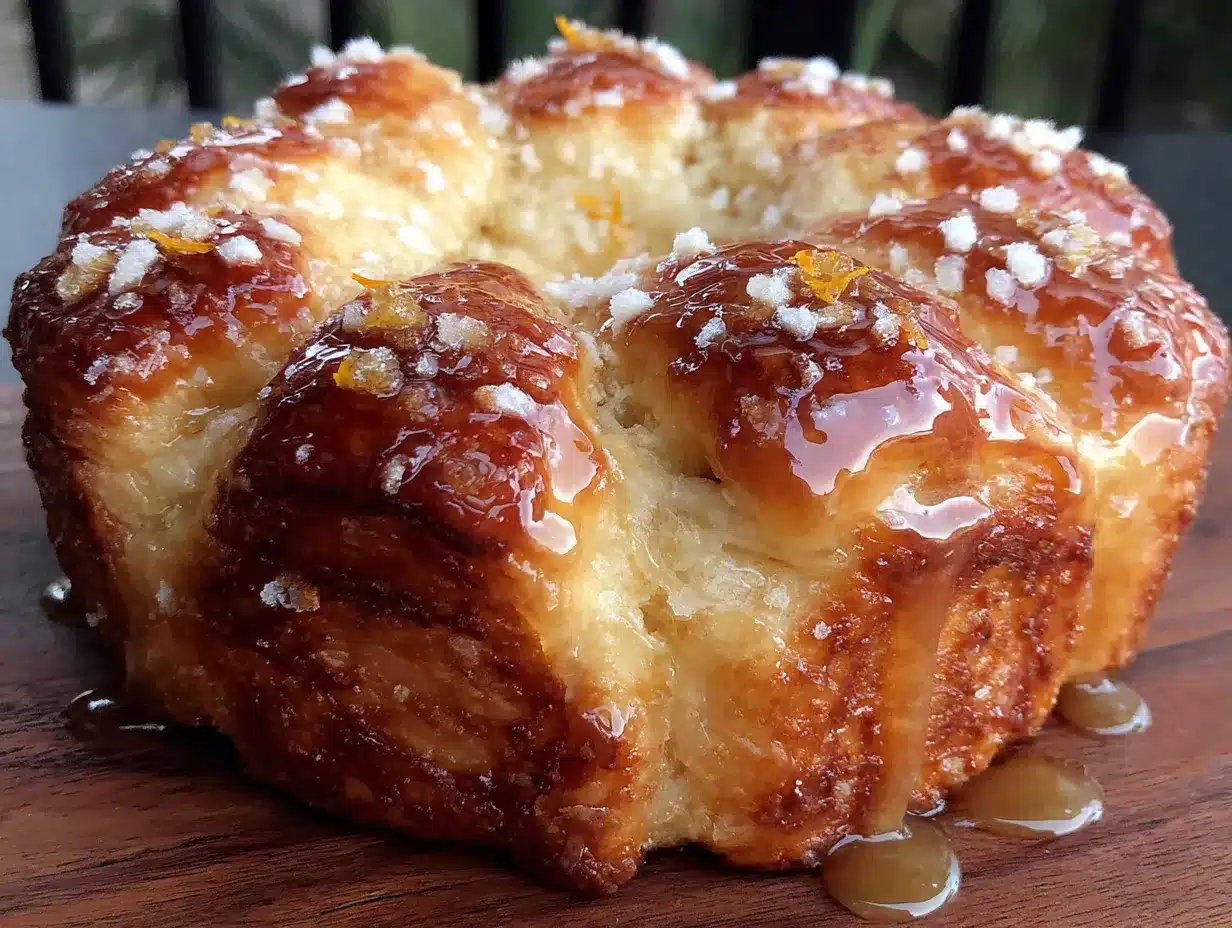
- Shape the dough (15 minutes): Punch down the dough gently to release the air. Turn it out onto a lightly floured surface. Divide it into two pieces: one larger piece (about two-thirds of the dough) for the base, and one smaller piece for the decorations. Shape the larger piece into a round loaf and place it on your parchment-lined baking sheet. For the decorations, roll the smaller piece into a long rope, then cut it into smaller ropes to form the “bones” and “skull” shapes. Traditionally, Pan de Muerto has four strips crossed on top and a small round knob in the center. Don’t stress about perfection—Margarita’s looked a little lopsided, and it was still the best bread I’ve ever had.
- Second rise (45 minutes to 1 hour): Cover the shaped loaf loosely with a towel and let it rise again until puffy, about 45 minutes. It should look noticeably larger and feel light when you gently poke it.
- Preheat and bake (25-30 minutes): Preheat your oven to 350°F (175°C). Bake the bread for 25-30 minutes, until the top is golden brown and the loaf sounds hollow when tapped on the bottom. If the top is browning too quickly, tent it loosely with foil after 15 minutes.
- Make the glaze (5 minutes): While the bread bakes, whisk together the powdered sugar, orange blossom water, and milk until smooth. The glaze should be thick but pourable—add more milk if needed. I like it on the thicker side so it sets up nicely.
- Glaze and serve (10 minutes): Let the bread cool on a wire rack for about 10 minutes. While it’s still warm, brush the glaze generously over the top. The warmth helps it soak in. Let it cool completely before slicing, if you can wait that long.
Cooking Tips & Techniques
I’ve made plenty of mistakes with this bread, so you don’t have to. Here are some things I’ve learned the hard way.
Don’t over-knead the dough. I know it’s tempting to keep going, especially if you’re using a stand mixer, but over-kneaded dough becomes tough and dense. Stop when the dough is smooth and springs back when you poke it. If it tears easily, you’ve gone too far.
Use a thermometer for the milk. I killed my yeast twice before I bought a simple instant-read thermometer. The milk should feel like warm bathwater—not hot, not cold. If you don’t have a thermometer, test a drop on your wrist. It should feel neutral, not warm.
Let the dough rise in a warm spot. My kitchen is drafty, so I use the oven-with-the-light-on trick. If your kitchen is cold, the rise can take twice as long. Be patient—rushing the rise leads to a dense loaf.
Don’t skip the orange blossom water. I tried making this with just orange zest once, and it was fine, but it wasn’t the same. The floral note is what makes Pan de Muerto special. It’s like the difference between a plain vanilla cake and one with a hint of almond—subtle, but you notice when it’s missing.
Glaze while warm, but not hot. If the bread is too hot, the glaze will slide right off. If it’s too cool, it won’t soak in. Aim for about 10 minutes out of the oven. I usually set a timer so I don’t forget.
Variations & Adaptations
This recipe is forgiving, so feel free to play around. Here are a few variations I’ve tried and loved.
- Dairy-Free Version: Substitute the butter with melted coconut oil or a plant-based butter, and use oat milk or almond milk instead of whole milk. The texture will be slightly denser, but the flavor is still fantastic. I made this for a friend with a dairy allergy, and she asked for the recipe twice.
- Spiced Version: Add 1 teaspoon of ground anise seed and ½ teaspoon of cinnamon to the flour mixture. This gives the bread a more traditional Mexican flavor that pairs beautifully with the orange blossom glaze. I tried this last year for Dia de los Muertos, and it was a hit.
- Chocolate Twist: Fold in ½ cup of dark chocolate chips or chopped chocolate into the dough before the first rise. The bitterness of the chocolate balances the sweetness of the glaze. Honestly, this might be my favorite variation—it feels like a warm hug on a cold day.
- Gluten-Free Option: Use a 1:1 gluten-free flour blend that contains xanthan gum. The dough will be stickier, so resist the urge to add too much extra flour. The texture won’t be as airy, but it’s still delicious. I tested this with a friend who has celiac, and she said it reminded her of the Pan de Muerto her grandmother used to make.
- Savory-Sweet Hybrid: Reduce the sugar to ¼ cup and omit the glaze. Brush the baked bread with melted butter and sprinkle with flaky sea salt. It’s unconventional, but the orange zest and anise still shine through. Perfect for serving alongside a bowl of soup.
Serving & Storage Suggestions
This bread is best served warm, with the glaze still slightly soft. I like to slice it thick and serve it with a cup of Mexican hot chocolate or a simple black coffee. The sweetness of the glaze pairs beautifully with the bitterness of coffee—it’s a match made in heaven.
For a more festive presentation, arrange the bread on a platter with fresh orange slices, a few sprigs of rosemary (which looks a bit like the cypress trees used in Dia de los Muertos altars), and a light dusting of cinnamon sugar. It’s simple but stunning.
Storage: Store the bread in an airtight container at room temperature for up to 3 days. The glaze will soften slightly over time, but that’s part of its charm. If you live in a humid climate, I recommend keeping it in a paper bag instead of plastic to prevent sogginess.
Freezing: You can freeze the unglazed bread for up to 2 months. Wrap it tightly in plastic wrap, then foil. When you’re ready to serve, thaw it at room temperature, then warm it in a 300°F oven for 10 minutes. Glaze it while still warm. I’ve done this several times, and it works beautifully.
Reheating: If the bread has gone a bit stale, slice it and toast it lightly. The glaze caramelizes slightly, and the orange blossom scent fills your kitchen. It’s almost better than fresh.
Nutritional Information & Benefits
Here’s an estimated breakdown per serving (based on 12 slices):
- Calories: 285
- Fat: 8g
- Carbohydrates: 47g
- Protein: 6g
- Fiber: 1g
- Sugar: 22g
This bread is a treat, so I don’t pretend it’s health food. But it does have some redeeming qualities. The orange zest provides a small dose of vitamin C and antioxidants, and the eggs add protein. Plus, there’s something to be said for the mental health benefits of baking—the rhythmic kneading, the warm smell filling your home, the satisfaction of creating something with your hands. That counts for something, doesn’t it?
Dietary considerations: This recipe contains gluten, dairy, and eggs. For allergen-friendly versions, see the variations section above. If you’re watching your sugar intake, you can reduce the glaze or skip it altogether—the bread is still sweet enough on its own.
Conclusion
I hope you give this Cozy Pan de Muerto with Orange Blossom Glaze a try. It’s more than just a recipe—it’s a little piece of warmth you can create in your own kitchen, no matter where you are. Whether you’re making it for a special occasion or just because you need a cozy baking project, I think you’ll love the way it makes your home smell and the way it tastes with a cup of coffee in hand.
Feel free to tweak it to your liking. Add more orange zest, throw in some chocolate, or skip the glaze if you prefer a simpler bread. The best recipes are the ones you make your own. And if you try it, I’d love to hear how it goes. Leave a comment below, tag me in your photos, or tell me about your own kitchen memories. After all, that’s what this is really about—sharing a little warmth, one loaf at a time.
Happy baking, friends. May your dough always rise and your glaze always shine.
Frequently Asked Questions
Can I make this bread ahead of time?
Absolutely. You can prepare the dough through the first rise, then refrigerate it overnight. The next day, let it come to room temperature for about 30 minutes before shaping and proceeding with the second rise. The flavor actually develops more this way.
What if I can’t find orange blossom water?
You can substitute with vanilla extract and extra orange zest, or use rose water for a different floral note. The flavor won’t be exactly the same, but it’ll still be delicious. I’ve used vanilla in a pinch, and it worked fine.
Why did my bread turn out dense?
This usually happens for one of three reasons: the yeast was old or killed by hot liquid, the dough was over-kneaded, or it didn’t rise long enough. Make sure your milk is warm (not hot), and be patient with the rising times. A dense loaf is still edible—just not as fluffy.
Can I use a bread machine for this recipe?
You can use the dough cycle of a bread machine to mix and knead the dough, but I recommend shaping and baking it in the oven for the best texture. The bread machine’s baking cycle might not give you that golden crust you’re looking for.
How do I get the glaze to stick without being too runny?
The key is to glaze the bread while it’s still warm, not hot. If the glaze is too runny, add a little more powdered sugar. If it’s too thick, add milk a teaspoon at a time. It should be the consistency of thick maple syrup—pourable but not watery.
PrintCozy Pan de Muerto with Orange Blossom Glaze: Easy Homemade Recipe
A soft, pillowy sweet bread infused with orange zest and orange blossom water, topped with a fragrant orange blossom glaze. This simplified version of the traditional Mexican Dia de los Muertos bread is perfect for any cozy occasion.
- Prep Time: 30 minutes
- Cook Time: 30 minutes
- Total Time: 2 hours 30 minutes
- Yield: 12 servings 1x
- Category: Bread
- Cuisine: Mexican
Ingredients
- 3 ½ cups (440g) all-purpose flour
- 2 ¼ teaspoons (7g) active dry yeast (one packet)
- ½ cup (120ml) warm milk (110°F)
- ½ cup (100g) granulated sugar
- 6 tablespoons (85g) unsalted butter, softened
- 3 large eggs, room temperature
- 2 tablespoons orange zest (from about 2 oranges)
- 2 tablespoons orange blossom water
- 1 teaspoon fine sea salt
- For the glaze: 1 cup (120g) powdered sugar, 1 tablespoon orange blossom water, 2-3 tablespoons milk
- For decoration: orange slices (optional), cinnamon sugar (optional)
Instructions
- Proof the yeast: In a small bowl, combine warm milk (110°F) with 1 tablespoon of the sugar and the active dry yeast. Stir gently and let sit for 5-10 minutes until frothy.
- Mix dry ingredients: In a large mixing bowl, whisk together flour, remaining sugar, and salt. Make a well in the center.
- Combine wet ingredients: In a separate bowl, whisk together proofed yeast mixture, softened butter, eggs, orange zest, and orange blossom water.
- Form the dough: Pour wet ingredients into the well of dry ingredients. Stir until a shaggy dough forms. Knead with a stand mixer on medium-low for 6-8 minutes, or by hand on a lightly floured surface for 10-12 minutes, until smooth and elastic.
- First rise: Place dough in a lightly greased bowl, turning to coat. Cover with plastic wrap or a towel and let rise in a warm, draft-free spot until doubled in size, about 1-2 hours.
- Shape the dough: Punch down dough. Divide into two pieces: two-thirds for the base, one-third for decorations. Shape the larger piece into a round loaf on a parchment-lined baking sheet. Roll the smaller piece into ropes to form ‘bones’ and a ‘skull’ on top.
- Second rise: Cover shaped loaf loosely with a towel and let rise until puffy, about 45 minutes to 1 hour.
- Preheat and bake: Preheat oven to 350°F (175°C). Bake for 25-30 minutes until golden brown and hollow-sounding when tapped. Tent with foil after 15 minutes if browning too quickly.
- Make the glaze: While bread bakes, whisk together powdered sugar, orange blossom water, and milk until smooth and pourable.
- Glaze and serve: Let bread cool on a wire rack for 10 minutes. Brush glaze generously over the warm bread. Cool completely before slicing.
Notes
If you can’t find orange blossom water, substitute with vanilla extract and extra orange zest. For a dairy-free version, use melted coconut oil and oat milk. The dough can be refrigerated overnight after the first rise for enhanced flavor. Glaze while warm (not hot) for best absorption.
Nutrition
- Serving Size: 1 slice
- Calories: 285
- Sugar: 22
- Sodium: 200
- Fat: 8
- Saturated Fat: 4
- Carbohydrates: 47
- Fiber: 1
- Protein: 6
Keywords: Pan de Muerto, orange blossom, Dia de los Muertos, sweet bread, Mexican bread, orange glaze, fall baking, holiday bread